By Asim Shahzad
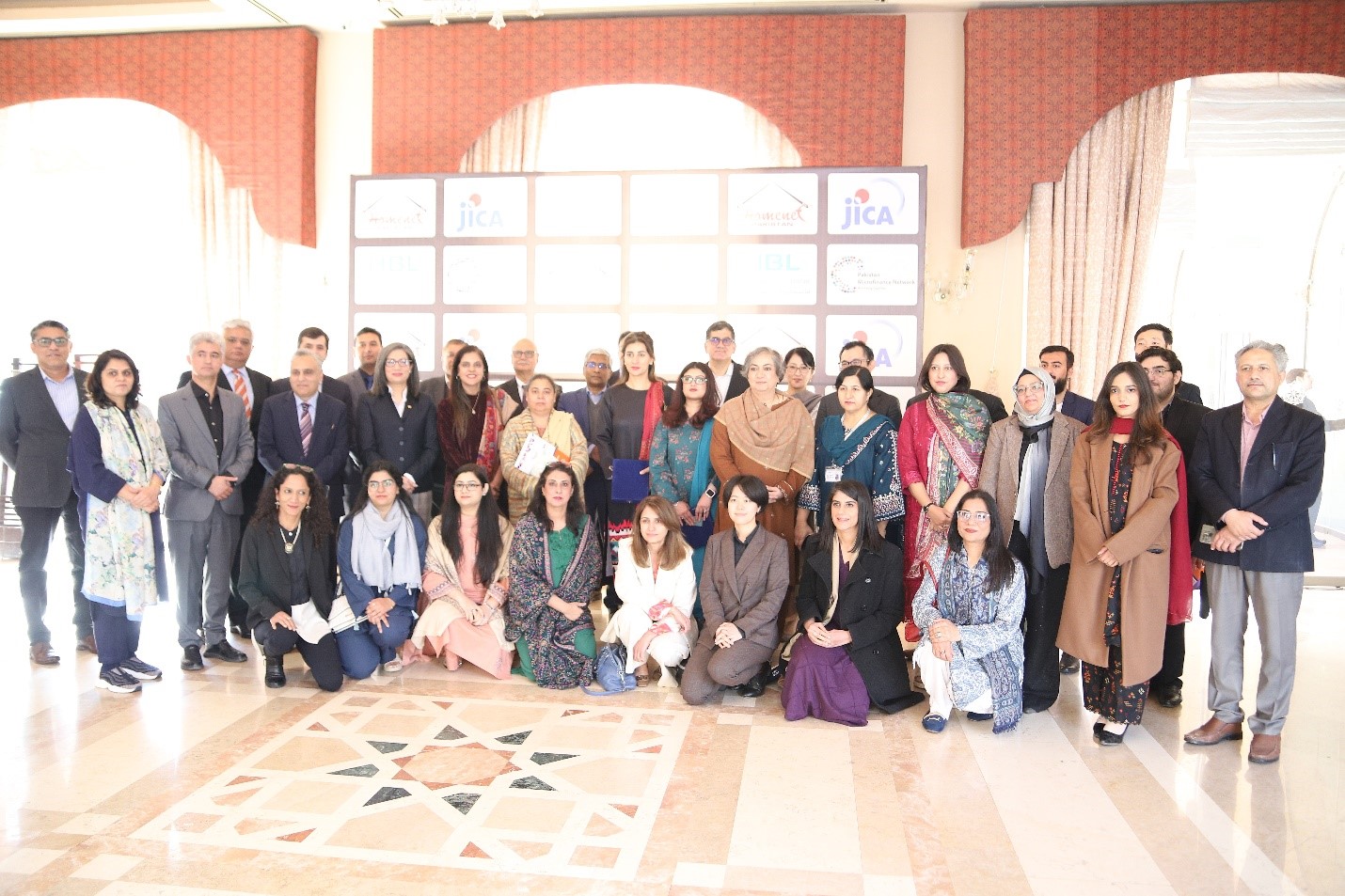
LAHORE: HomeNet Pakistan in collaboration with JICA, HBL MfB and Pakistan Microfinance Network, successfully hosted the Dissemination Seminar, Advancing Economic Empowerment: Celebrating the Milestones of the Data Collection Survey on Financial Inclusion of Home-based Workers’ Enterprises through Business Booster Loan and Trainings (FBLT) at Serena Hotel, Islamabad.

Read also:
The event brought together key stakeholders to discuss the project’s impact, best practices, and policy recommendations aimed at strengthening the financial inclusion of Women Micro Enterprises (WMEs) in Pakistan.
The seminar provided a platform to showcase strategic insights, data-driven analyses, and expert discussions, engaging policymakers, development partners, financial institutions, and industry stakeholders in shaping a more inclusive economic landscape.
Key Highlights
Ms. Tanka Mayuko, JICA, inaugurated the seminar, in her opening remarks she emphasized the significance of gender mainstreaming in financial policies and the pivotal role of WMEs in national economic development. Her address was followed by a best practices video highlighting the key successes and innovative approaches implemented under the FBLT project.
Mr. Amir Khan, President & CEO of HBL Microfinance Bank, delivered an insightful keynote on Advancing Financial Inclusion: A Strategic Vision for WMEs in Pakistan’s Economic Growth, underscoring the importance of financial accessibility for women entrepreneurs.
Ms. Ume Laila Azhar, Executive Director HomeNet Pakistan, presented an analytical overview of the project, detailing key outcomes, lessons learned, and future directions for integrating WMEs into financial and economic policies. She highlighted that under FBLT project 68% (199/294) of WMEs have received insured loans and are maintaining bank accounts, including 6 out of 22 transgender individuals. Additionally, PKR 17.66 million in microfinance has been provided to 157 WMEs, resulting in an 81% increase in the average monthly income of loan beneficiaries. However, 14% (42/294) of loan applications were disapproved by banks, primarily due to credit history issues (28 cases) and lack of business or debt burden (14 cases). Furthermore, 18% (52/294) of WMEs declined the offered loans, while 24% (38/157) of WMEs have successfully doubled their income. Three panel discussions were also held as part of the seminar.
First panel Recognizing WMEs as a Priority Segment for Policy & Ecosystem Development was chaired by Ms. Kahlida Habib, Representative from the Securities and Exchange Commission of Pakistan (SECP) and moderated by Ms. Zein Ahmed (SME Expert). The panelists Representatives from Karandaaz, UN Women, SMEDA, and HomeNet Pakistan talked about Integration of WMEs into financial policy frameworks, Regulatory measures for inclusive economic growth and enhancing the entrepreneurial ecosystem for women.
Ms. Nazia Seher, Senior Program Manager, JICA, presented key data insights from the FBLT Project and built a case for policymakers and financial institutions to foster cross-sector collaborations for integrating WMEs into the formal economy. She highlighted that 68% (199/294) of WMEs have received insured loans and are maintaining bank accounts, including 6 out of 22 transgender individuals. Additionally, PKR 17.66 million in microfinance has been provided to 157 WMEs, leading to an 81% increase in the average monthly income of loan beneficiaries. However, 14% (42/294) of loan applications were disapproved by banks, primarily due to credit history issues (28 cases) and lack of business or debt burden (14 cases). Furthermore, 18% (52/294) of WMEs declined the offered loans, while 24% (38/157) of WMEs have successfully doubled their income.
Second panel deliberated on Building a Business Case for WME-Focused Microfinance Products was chaired by Representative from the State Bank of Pakistan (SBP) and moderated by Mr Nadeem Sarfraz (FBLT Financial Inclusion Expert). The panelists were Mr. Tsuyoshi Hara (JICA), Mr. Kashif (HBL Microfinance Bank), World Bank, Khushali Bank, Kashf Foundation which focused on the areas of designing innovative financial products for WMEs, risk assessment and mitigation strategies and sustainable microfinance models.
Third panel for Empowering WMEs through Digital Financial Ecosystems was chaired by the Mr. Fahad Sajid, representative from Pakistan Fintech Network and moderated by Ms. Saman Farhan (PMN). The panelists were from PMN, National Incubation Center (NIC), Mobilink Microfinance Bank and ADB. They shared their perspective about Integration of digital financial services and fintech solutions, Multi-stakeholder collaborations and strategies for WME growth in the digital economy.
All three panels highlighted policy recommendations to formalize WMEs’ roles in national development and cross-sector strategies for enhanced partnerships. A comprehensive business case for WME-centric financial products, focusing on sustainability and risk management and strategic roadmap for integrating WMEs into digital finance ecosystems and fostering public-private partnerships were deliberated upon.
Ms. Yuko Kuno, Senior Representative of JICA Pakistan in her closing remarks, summarized key insights and reiterated the importance of continued collaboration for women’s financial empowerment.
Participants also explored the Impact Gallery Walk—a curated exhibit showcasing the project’s milestones, success stories, and transformative impacts within the WME sector.
The seminar marked a significant step towards fostering financial inclusion and economic empowerment for WMEs, reinforcing HomeNet Pakistan’s commitment to driving sustainable growth and development for women-led enterprises.
About the Author