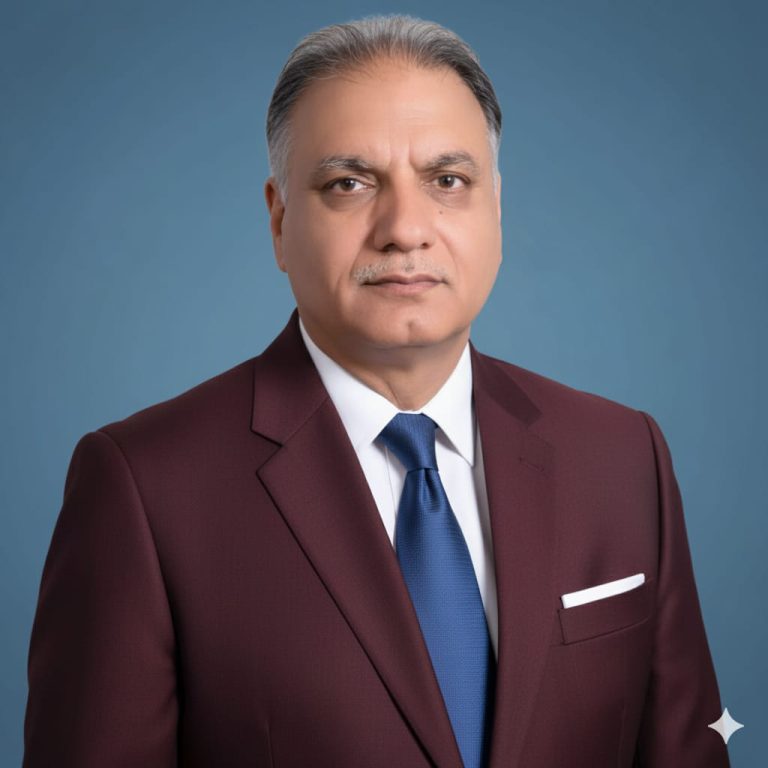
By Dr Arshad,
CEO Hi Tech
Pakistan continues to face a barrage of economic challenges, with businesses struggling under the weight of soaring inflation, high interest rates, and inconsistent policies. Amid this turmoil, Dr. Mohammad Arshad, the CEO of Hi-Tech Feeds and former regional chief of the Federation of Pakistan Chambers of Commerce and Industry (FPCCI), has issued an urgent call for transformative reforms. In a statement on Saturday, he urged the State Bank of Pakistan (SBP) and the government to lower interest rates to 6 percent for the next five years and introduce an amnesty scheme to rejuvenate the construction industry.
Dr. Arshad emphasized that reducing the cost of borrowing is one of the most critical steps needed to stabilize the economy. “By bringing interest rates down to 6 percent, the government can provide much-needed relief to businesses struggling under high borrowing costs,” he argued. He highlighted that a low-interest-rate environment would not only stimulate economic activity but also encourage long-term investments in capital-intensive sectors. This, in turn, could create jobs and boost investor confidence across the board.

Historically, high interest rates have discouraged entrepreneurship and stifled growth, particularly in emerging economies like Pakistan. A significant reduction in rates would provide breathing space for struggling businesses and pave the way for sustainable economic growth.
Dr Arshad pointed out that the construction sector is a vital driver of Pakistan’s economy and requires immediate attention. He advocated for the introduction of an amnesty scheme to unlock dormant capital. “Such a scheme should ensure that no questions are asked about the source of investment and must be free from rigid time constraints to foster sustained investor confidence,” he said.
A revitalized construction industry could unleash significant economic activity, particularly in housing development. Allied sectors such as cement, steel, and labor markets would also benefit from this ripple effect, creating a multiplier impact on employment and national output. This sector, which accounts for a significant portion of Pakistan’s GDP, has the potential to kick-start economic recovery if supported through pragmatic policies.
The textile industry, often referred to as the backbone of Pakistan’s economy, has been hit hard in recent years. High production costs, erratic energy supplies, and policy inconsistencies have hampered its growth. Dr. Arshad proposed targeted interventions to rejuvenate the sector, including subsidies for production, guaranteed energy supplies, and incentives for exports.
“Boosting textile production and exports could significantly enhance Pakistan’s foreign exchange earnings and reduce the trade deficit,” he noted. Given that the textile industry employs millions of workers and accounts for a major share of Pakistan’s export revenue, its revival is critical for overall economic stability.
Dr Arshad also highlighted the untapped potential of the food sector, which spans agriculture and processing. He stressed that with adequate support for farmers, access to modern agricultural technologies, and the establishment of export-oriented food processing industries, Pakistan could not only ensure food security but also position itself as a major player in global food markets.
“Pakistan has immense agricultural potential, but it remains underutilized. Prioritizing this sector would strengthen food security while creating opportunities for export-led growth,” he said.
Dr. Arshad argued that these measures should be integrated into a cohesive, long-term policy framework. “Pakistan needs a well-thought-out strategy to create an investor-friendly environment. The government’s ability to implement these reforms effectively will determine whether Pakistan can overcome its current economic hurdles and embark on a path of sustainable growth,” he maintained.
Bold decisions, such as lowering interest rates and providing targeted support to key sectors like construction, textiles, and food, are essential to revive Pakistan’s economic trajectory. Failure to act decisively could result in prolonged stagnation, jeopardizing the country’s future prosperity.
As Pakistan navigates these turbulent times, the onus is on policymakers to adopt a proactive approach. Reforms must prioritize economic stability, job creation, and sectoral revival to inspire investor confidence and foster sustainable growth. Dr. Arshad’s recommendations serve as a roadmap for a brighter economic future, contingent on the government’s commitment to bold, well-executed reforms.
About the Author